Product Description
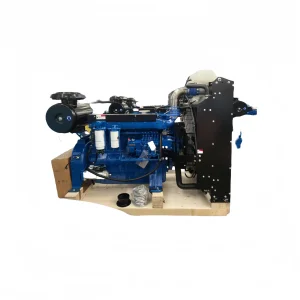
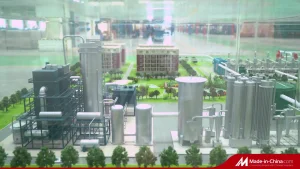
New Design Small Rice Husk Biomass Gasifier Engine Power System
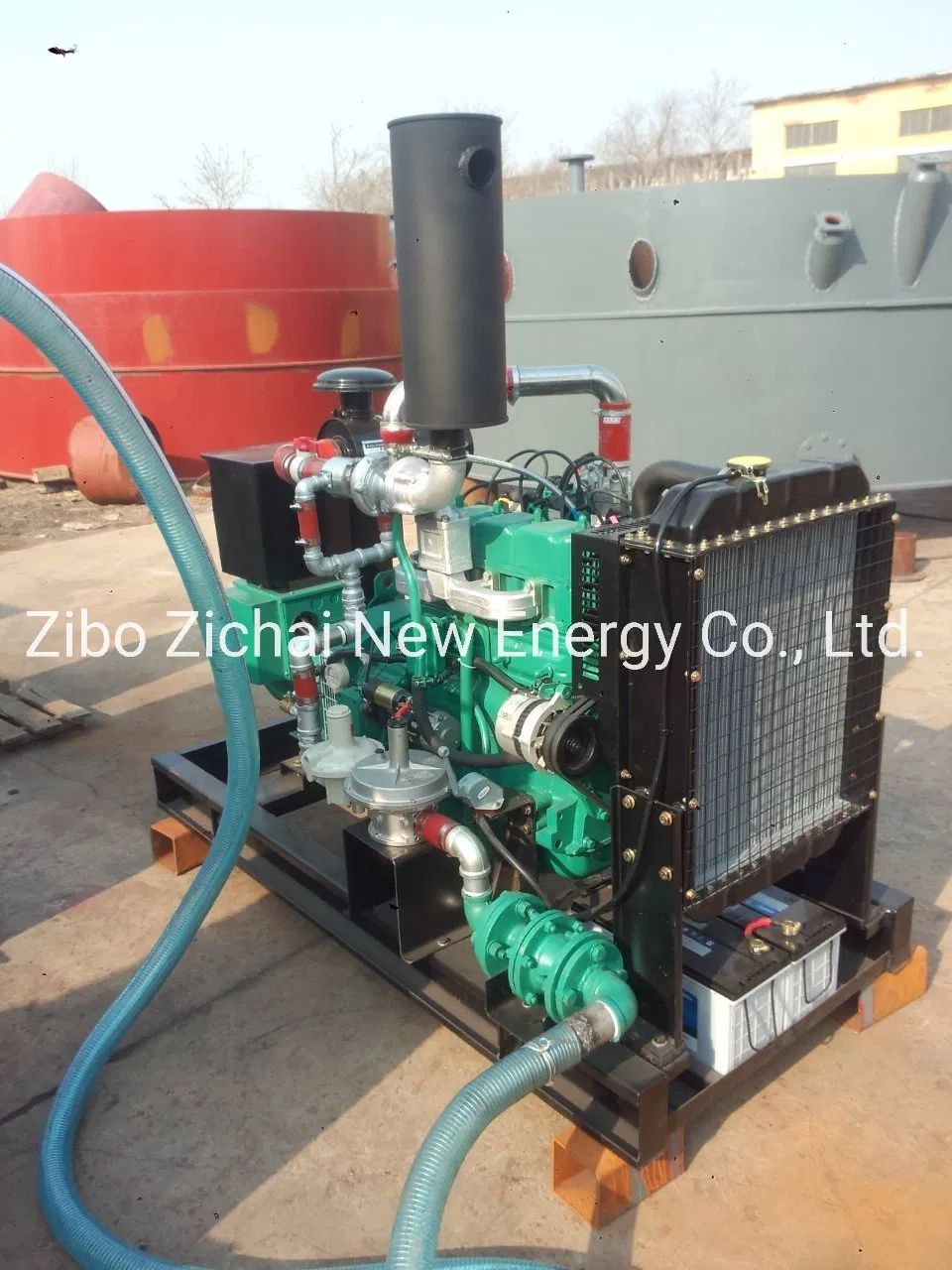
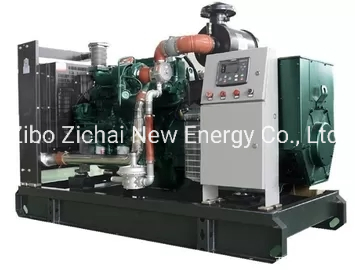
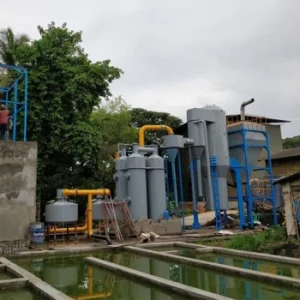
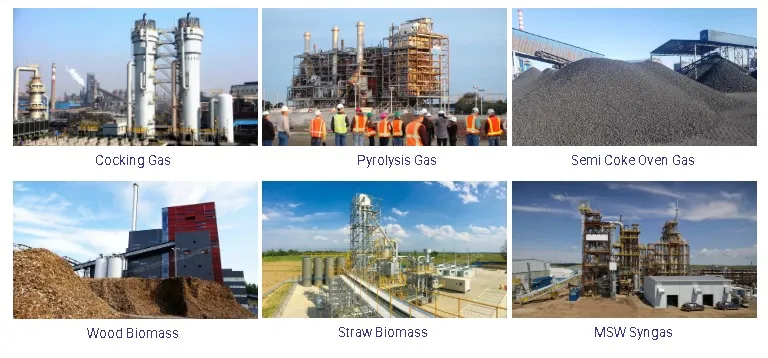
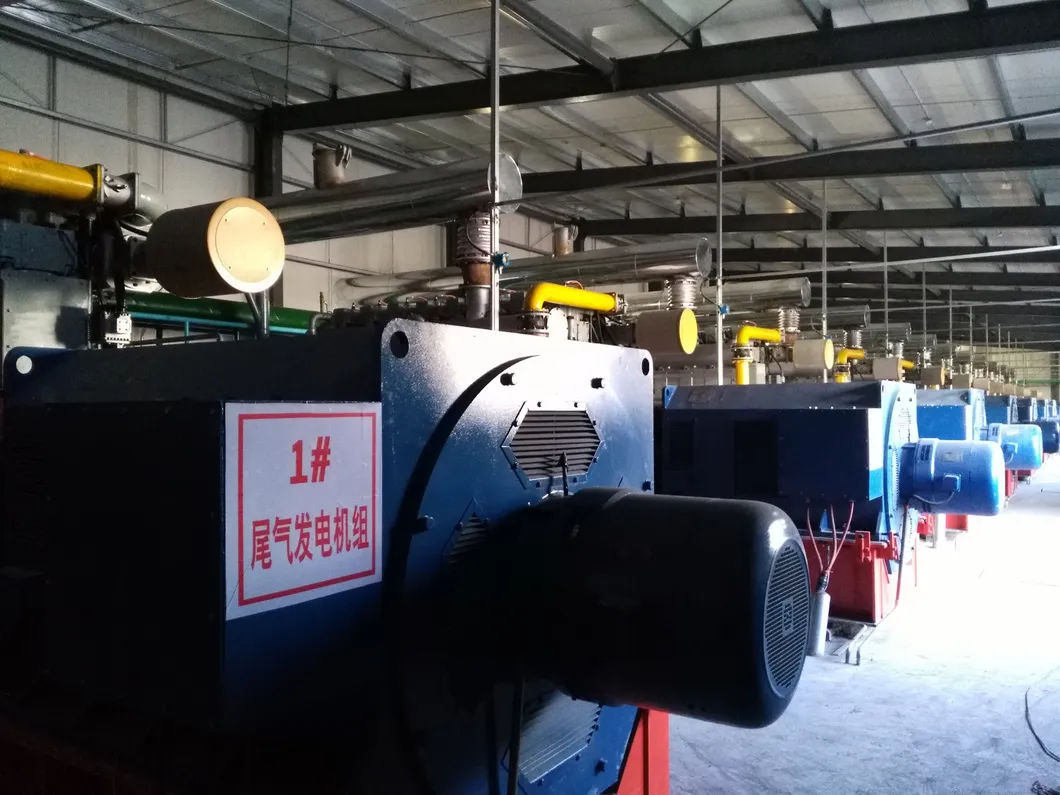
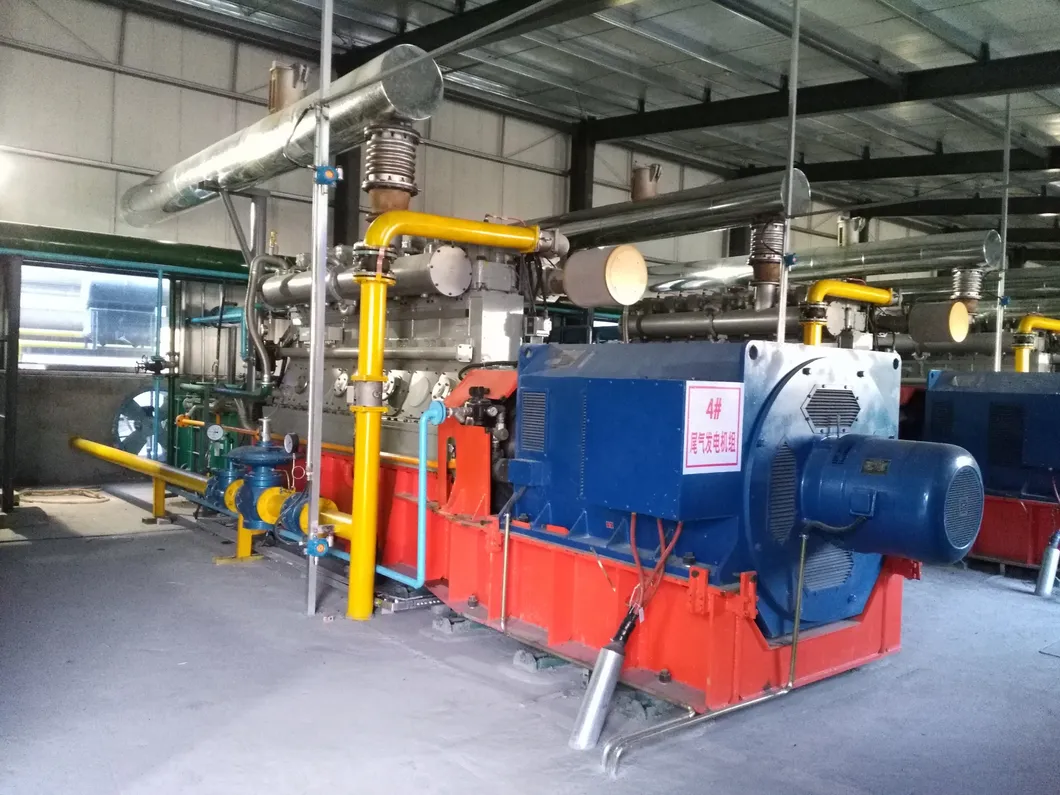
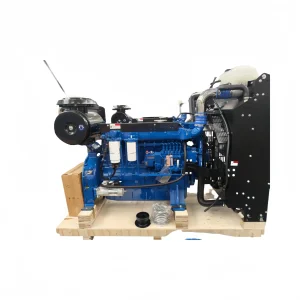
Syngas-biomass generations are driven by low speed 300 series engines. The gas fuel can be generated from gasification of MSW, woodchips, sawdusts, rice husks, straws, coconut shells, coal gas, coking gas, coke oven gas and pyrolysis gas etc. Low Speed 300 engines are specially designed for syngas as fuel, featuring low speed, big cylinder, and big displacement. Naturally aspirated with strong resistance against TAR, these systems are highly reliable and durable, with an overhaul reaching over 60,000 hours.
Gas Quality Suggested
- Gas temperature ≤40ºC
- Gas pressure 2.5~10kPa
- Gas calorific value ≥ 4.0MJ/Nm³
- Moisture content ≤40g/Nm³, no free water
- Tar content ≤50mg/Nm³
- H₂S ≤50mg/Nm³; Total sulfur ≤100mg/Nm³
- H₂ ≤60%; O₂ ≤1%
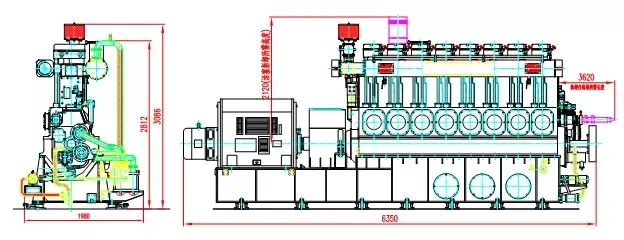
Gas Generator Specification
| Item |
6300D/M |
6300D/M-1 |
8300D/M-2 |
8300D/M-3 |
9300D/M-1 |
9300ZLD/M |
| Cylinder number |
6 |
6 |
8 |
8 |
9 |
9 |
| Rated speed (r/min) |
500 |
600 |
600 |
600 |
750 |
600 |
| Rated power (kW) |
330 |
440 |
550 |
660 |
880 |
1320 |
| Type |
Non-turbocharged |
Turbocharged |
| Generator Type |
300GFM |
400GFM |
500GFM |
600GFM |
800GFM |
1200GFM |
Project Case Study
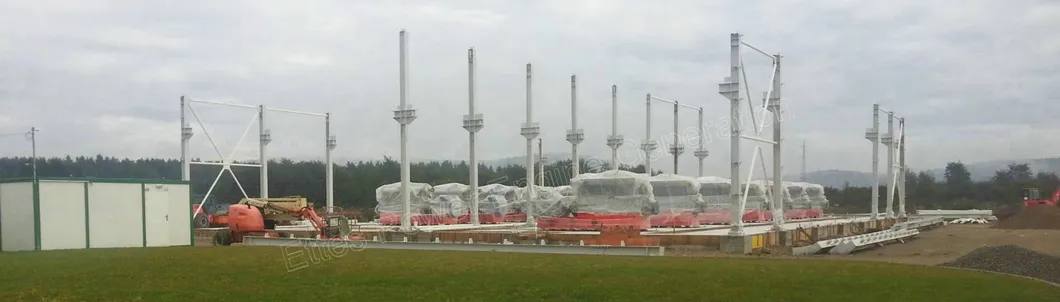
6MW Woodchip Biomass Power Plant in Croatia
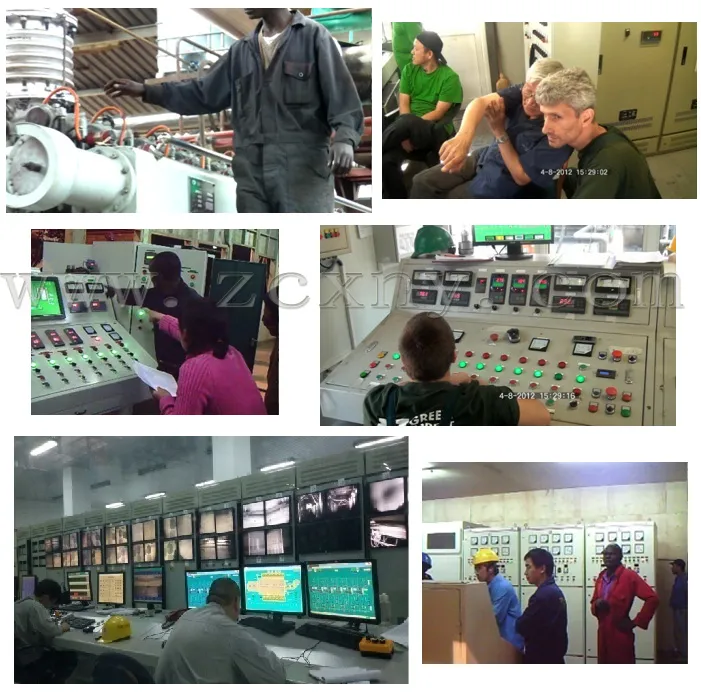
Waste to Energy project using 13x500kW syngas engines running in parallel. Feedstocks include woodchips and rice husks to produce combustible gas fuel for electricity and hot steam generation.
Why Choose Our Gas Generator Sets?
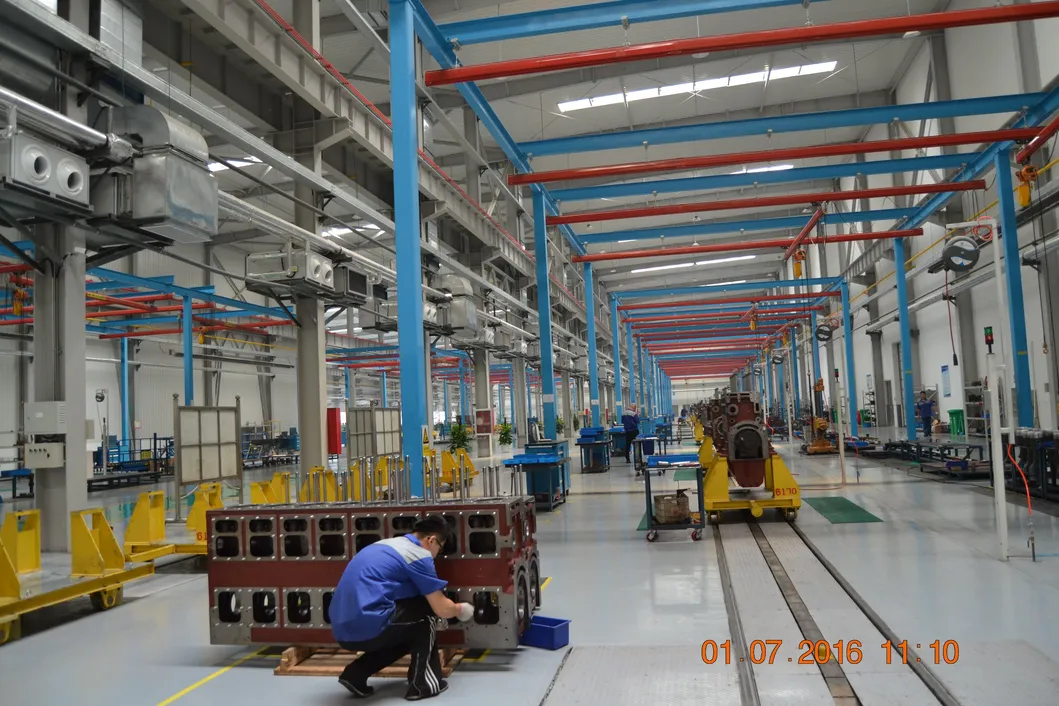
- Over 50 years of development and manufacturing experience since 1970.
- Ability to handle more than 20 different types of gases.
- More than 1000 systems installed in over 20 countries worldwide.
- Dedicated team for gas generator development and customer responsive service.
Frequently Asked Questions
What types of gas fuels are compatible with these generators?
Our systems are highly versatile and can handle biomass gas (from woodchips, rice husks, straw, MSW), biogas, natural gas, coal mine gas, coke oven gas, and industrial tail gases like carbide or yellow phosphorus tail gas.
What is the expected maintenance lifecycle?
The engines are designed for long-term durability, with a major overhaul time reaching over 60,000 hours and a total lifecycle of 20 to 25 years.
Why are low-speed engines preferred for syngas?
Low-speed engines (500-600rpm) offer higher reliability for continuous operation, more sufficient combustion, and significantly lower component wear, which reduces spare parts replacement costs.
How does the system handle high hydrogen gas content?
We use an internal mixing system for gases with high hydrogen content (over 15%). Gas and air are intake separately and mixed only in the combustion chamber, eliminating the risk of backfire.
What is the typical delivery time and payment method?
The normal delivery time is within 60 days, depending on configuration and quantity. The standard payment term is T/T.
How are the generator sets packaged for international shipping?
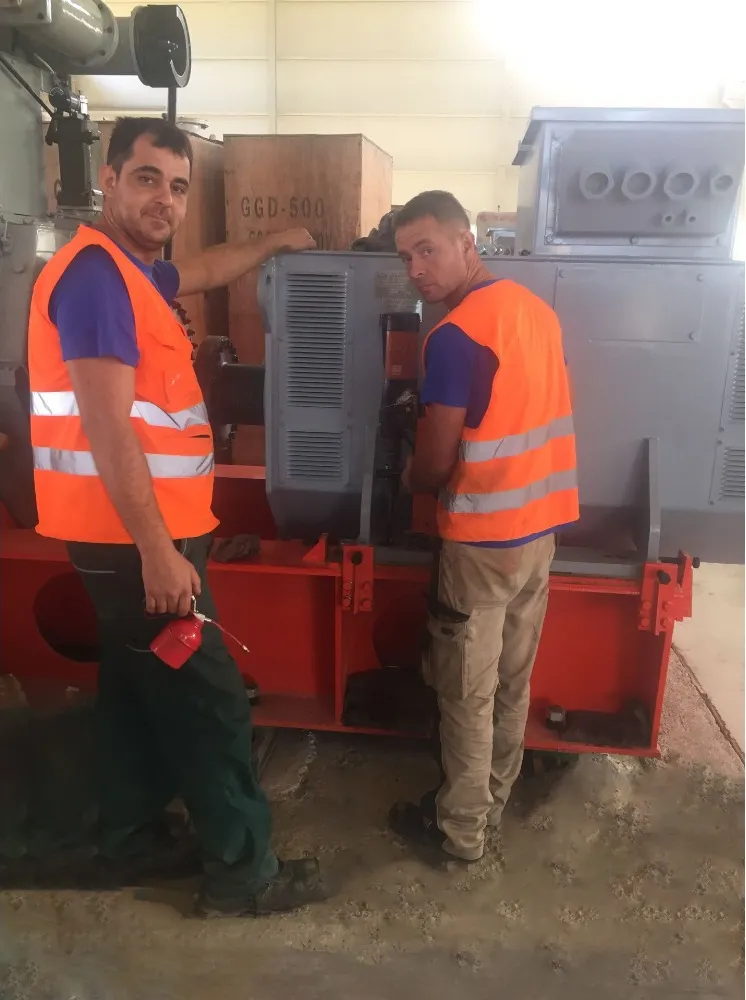
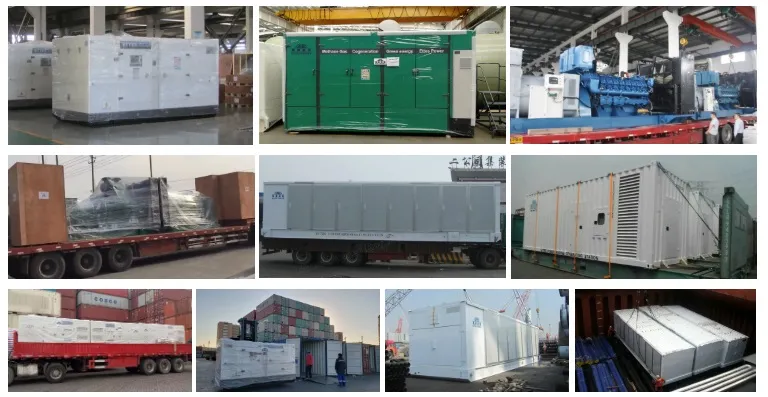
We use standard export packaging: equipment is protected with plastic bags and secured in solid wooden boxes suitable for long-distance sea transportation, ensuring protection against moisture and rust.
 Tolev Auto