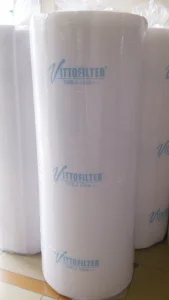
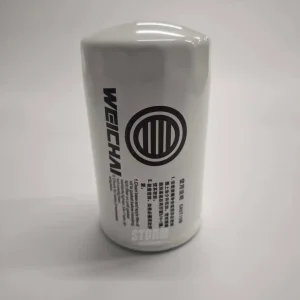
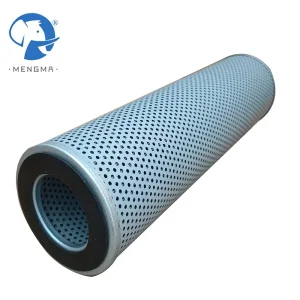
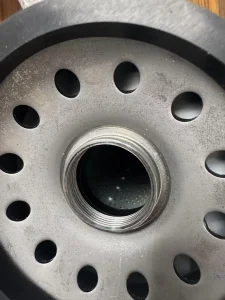
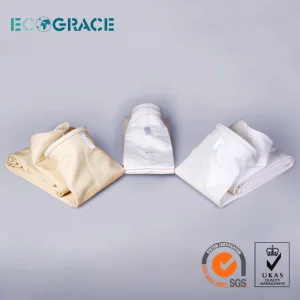
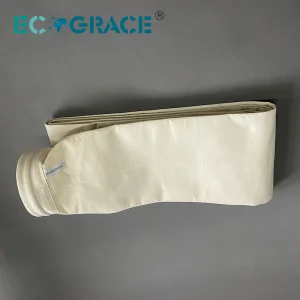
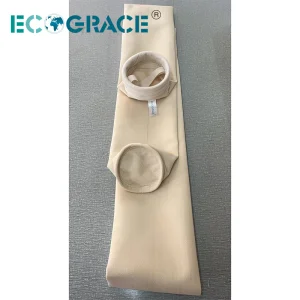
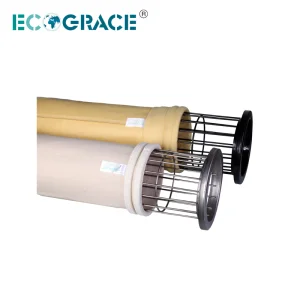
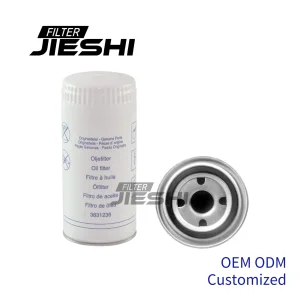
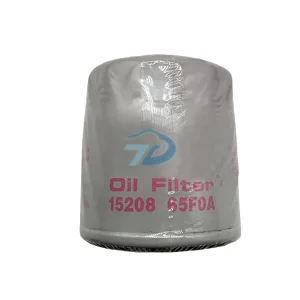
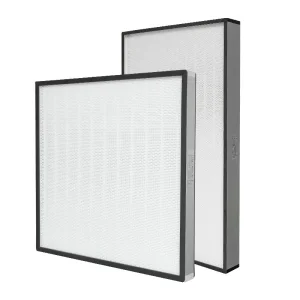
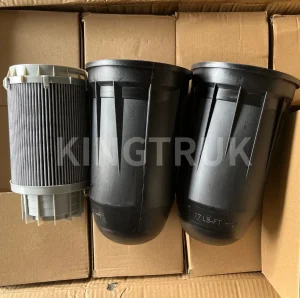
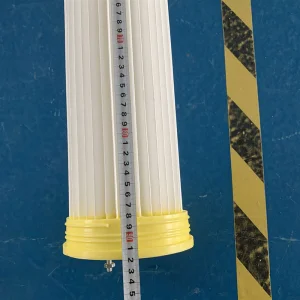
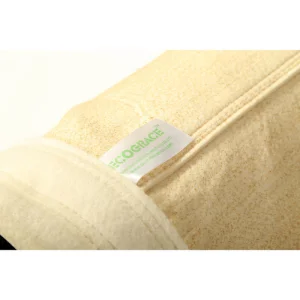
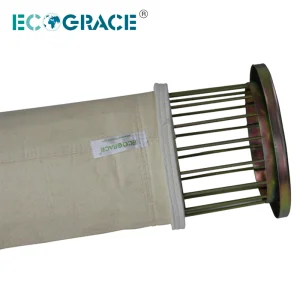
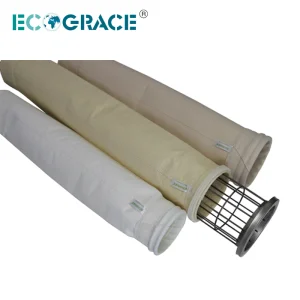
Engineered with high-density synthetic fiber technology, achieving up to 99% filtration efficiency under extreme industrial operations.
São Paulo state sits at the core of Brazil's heavy machinery, logistics, and automotive sectors. Centered around industrial parks such as Campinas, the ABC region, and Sorocaba, the local infrastructure demands exceptional mechanical performance. Standard paper filters fall short under Brazil's harsh agricultural conditions, complex highway systems, and mixed biofuel blends (e.g., ethanol and B15 biodiesel). This makes high-durability filtration solutions essential.
Synthetic Media Oil Filters provide the durability needed for heavy-duty setups. By using synthetic micro-glass and polyester blends, these filters withstand high acidity, dynamic pressure spikes, and high operating temperatures. This helps prevent premature engine breakdowns in commercial trucking fleets and manufacturing facilities across Latin America.
As leading manufacturers and exporters supplying the Mercosur zone, we focus on producing filters that match global OEM standards. Our products support long maintenance cycles, reducing downtime for shipping terminals, manufacturing operations, and agricultural fleets operating across Brazil.
Understanding why synthetic micro-glass outlasts and outperforms traditional paper filtration under harsh working conditions.
Traditional filters rely on organic cellulose fibers. Under a microscope, cellulose shows wide variations in fiber size and spacing, which limits its ability to trap fine dust and compromises its structural strength. Synthetic media, in contrast, uses precision-engineered inorganic polyester or glass microfibers. These uniform fibers create a consistent, three-dimensional matrix with high porosity.
| Performance Metric | Standard Cellulose Media | High-Tech Synthetic Media (Tolev) | Impact on São Paulo Operations |
|---|---|---|---|
| Filtration Efficiency (at 10µm) | ~ 60% to 70% | > 99% (Beta 200 rating) | Reduces wear on precision engine parts. |
| Dust Holding Capacity (DHC) | Baseline (1x) | 2.0x to 2.5x higher capacity | Enables extended maintenance intervals for logistics. |
| Acidity & Water Resistance | Poor (fibers weaken and degrade) | Excellent (unaffected by organic acids) | Essential for systems running high Biodiesel (B12/B15) fuels. |
| Flow Resistance (Cold Start) | High flow restriction | Minimal initial pressure drop | Ensures proper lubrication in cool, early morning starts. |
| Structural Integrity | High risk of pleat collapse | Wire-backed synthetic grid support | Resists collapse under sudden pressure spikes. |
A key technical advantage of synthetic media is its gradient-density construction. The filter uses an outer layer to catch larger particles and an inner layer for finer dust. This dual-action design keeps flow resistance low while maintaining high dirt capacity, providing reliable protection for hydraulic systems and turbochargers.
Exacting heat-tolerant filtration systems deployed in asphalt plants and steel metal smelting foundries around São Paulo.
Founded in 2019 in Changchun, Jilin Province, China—a hub for automotive manufacturing—Changchun Tolev Auto Co., Ltd. specializes in industrial and automotive filtration. Building on over 7 years of industry experience, we design, manufacture, and export high-performance filtration solutions to global markets.
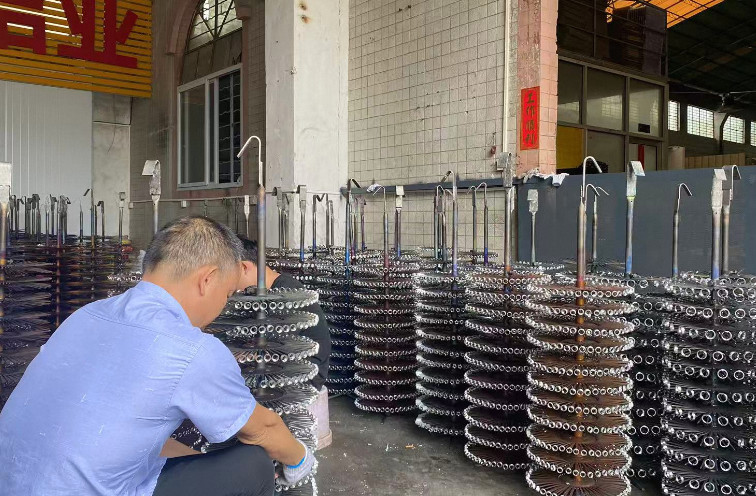
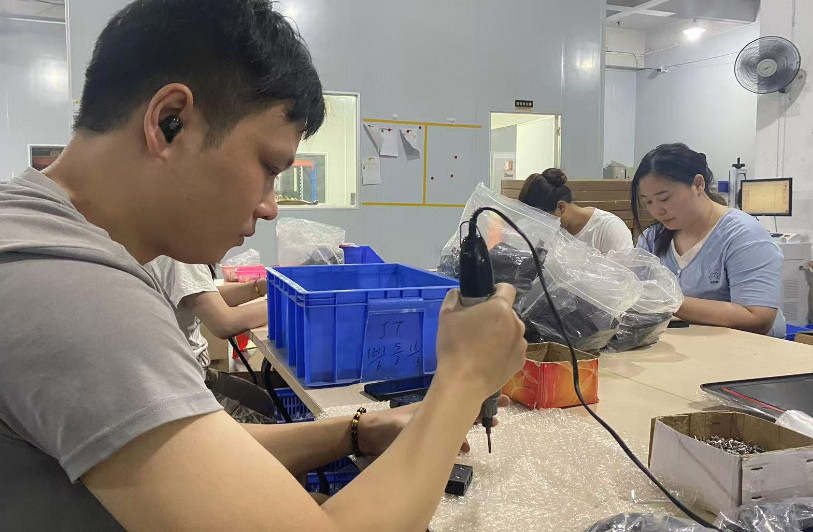
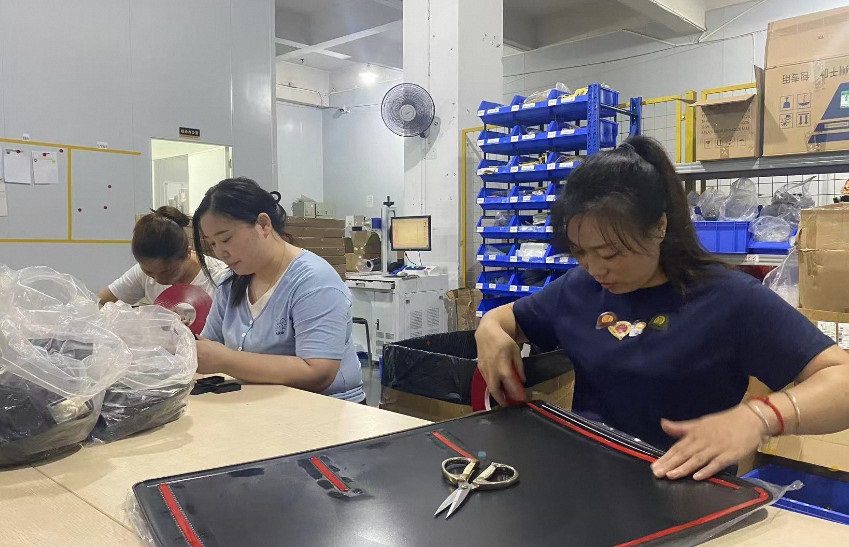
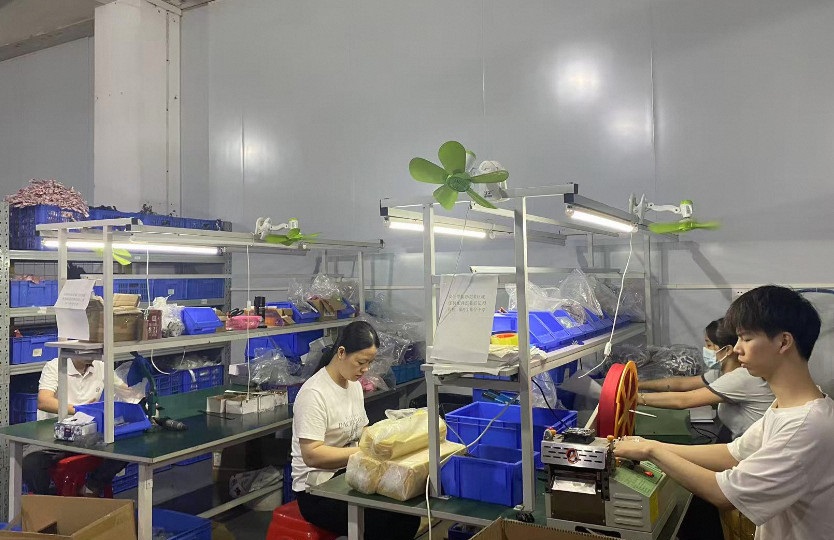
Our state-of-the-art 5,000 sqm production plant runs 9 automated manufacturing lines. These facilities support an annual production capacity of 8 million filters, allowing us to supply clients in more than 30 countries, including Brazil and the wider Mercosur region.
By using high-quality raw materials and keeping production in-house, we control costs and guarantee consistent product performance. This structural integration helps us deliver reliable products while offering savings of up to 20% compared to typical aftermarket suppliers.
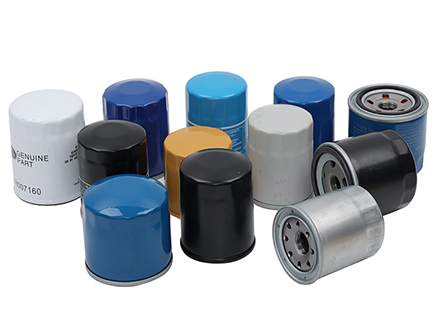
How our vertical manufacturing loop ensures precision, dimensional consistency, and standard compliance.
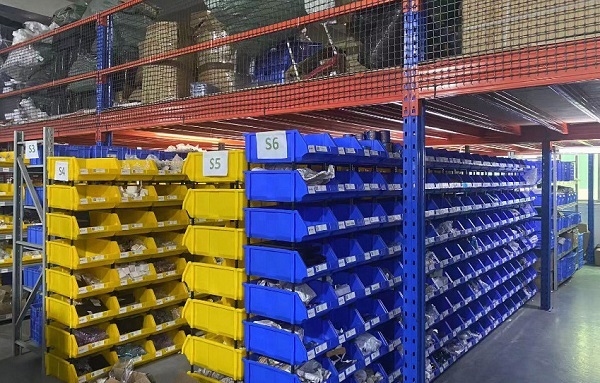
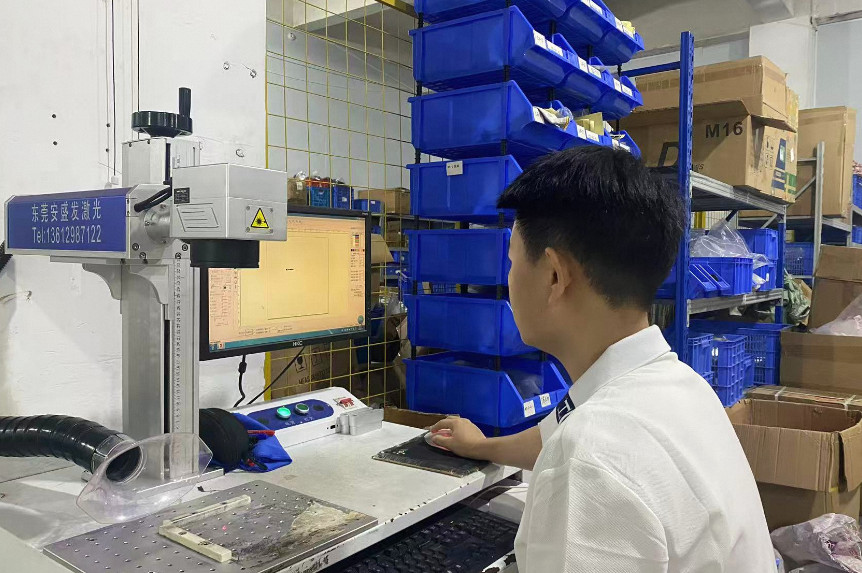
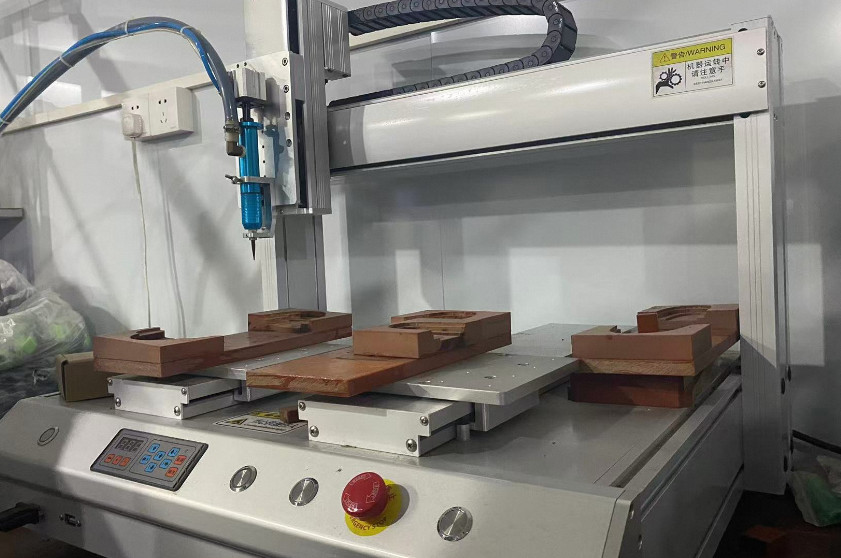
Our manufacturing setup manages the entire production cycle, from raw synthetic media preparation to steel casing forming. This control over raw materials helps us maintain dimensional accuracy and ensure reliable sealing under demanding, high-vibration engine conditions. Our quality control team carries out 12 inspections on every production run, including ISO 5011 air filtration verification, bubble-point pore testing, and pressure drop profiling.
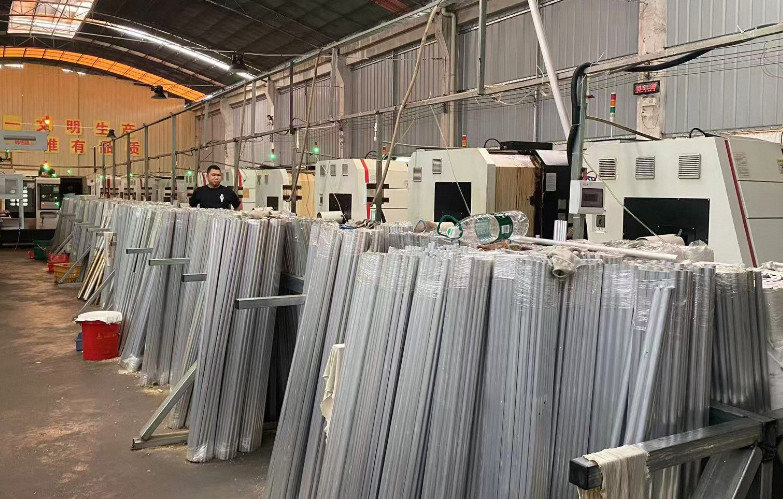
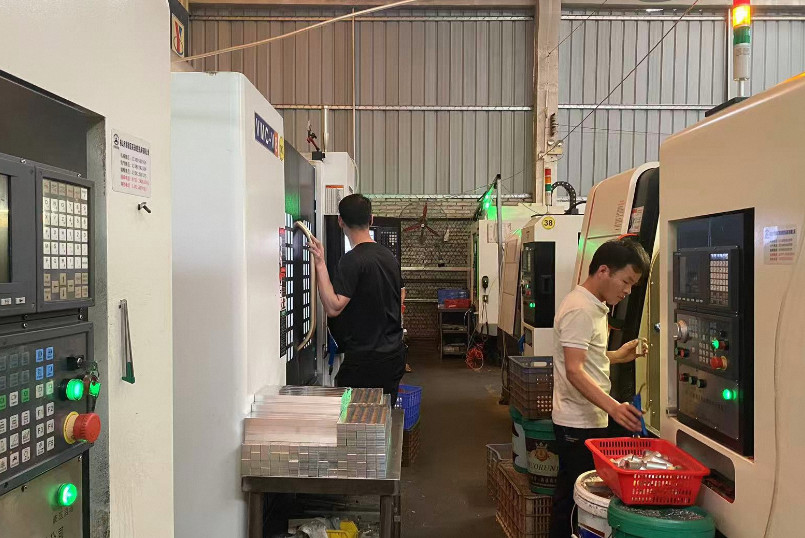
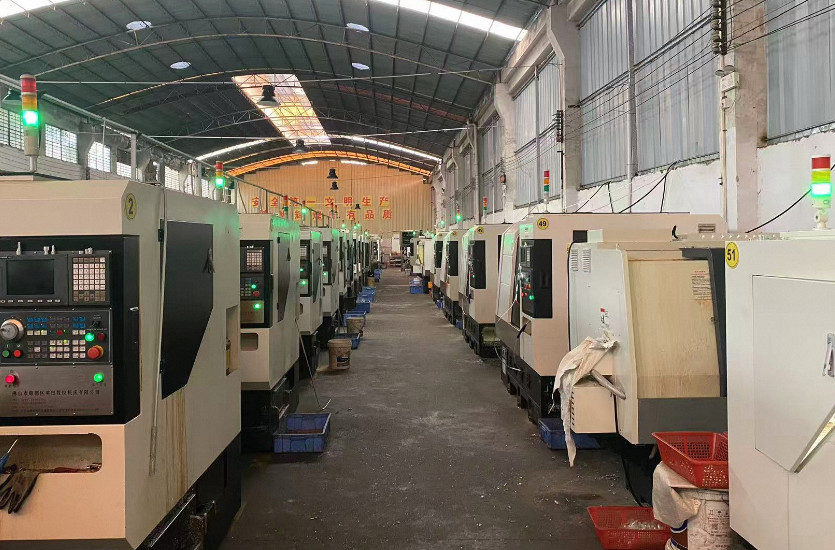
Streamlined custom manufacturing, technical consulting, and port-clearance management for Brazilian partners.
Our engineering team can deliver tailored filter prototypes within 7 days. We create custom solutions based on CAD files, operational parameters, or physical samples from your fleet.
We help navigate import requirements, including Brazil's Siscomex registration, Mercosur NCM categorization, and INMETRO standards. This support ensures smooth customs clearance at the Port of Santos.
With an annual output of 8 million units, we handle wholesale orders reliably. We work with sea-freight forwarders to optimize shipping times and help control supply chains.
Work with our engineering team to design custom, high-durability synthetic filters. We supply fleet managers, agricultural operations, and equipment manufacturers in Brazil with high-efficiency filtration solutions.
Exporters of high-durability replacement parts and industrial components for agricultural, automotive, and logistics fleets.
Industrial filtration standards are shifting toward lower emission profiles, improved material recycling, and support for high-temperature biofuels. At Changchun Tolev Auto Co., Ltd., our engineering roadmap focuses on three main developments:
We are testing polylactic acid (PLA) and recycled polyester blends. These materials aim to match the high filtration efficiency of traditional synthetics while reducing environmental impact at disposal.
Adding a sub-micron nanofiber layer to the media surface helps trap fine soot particles earlier, keeping the inner filter clean and reducing restriction during cold starts.
We are designing smart filter caps with RFID and pressure transmitters. These allow operators to monitor filter condition in real-time, helping prevent unexpected maintenance issues.
Technical answers regarding product specifications, regional supply chains, and importing into Latin America.
Get in touch to request technical data sheets, order samples, or discuss custom manufacturing specifications for your fleet or industrial application.
 Tolev Auto