When it comes to fuel filtration systems, understanding when a unit is failing is crucial. Industry expert John Matthews states, "Regular monitoring can make a difference in performance." This highlights the need for vigilance. So, what are the signs of a failing custom fuel filtration unit?
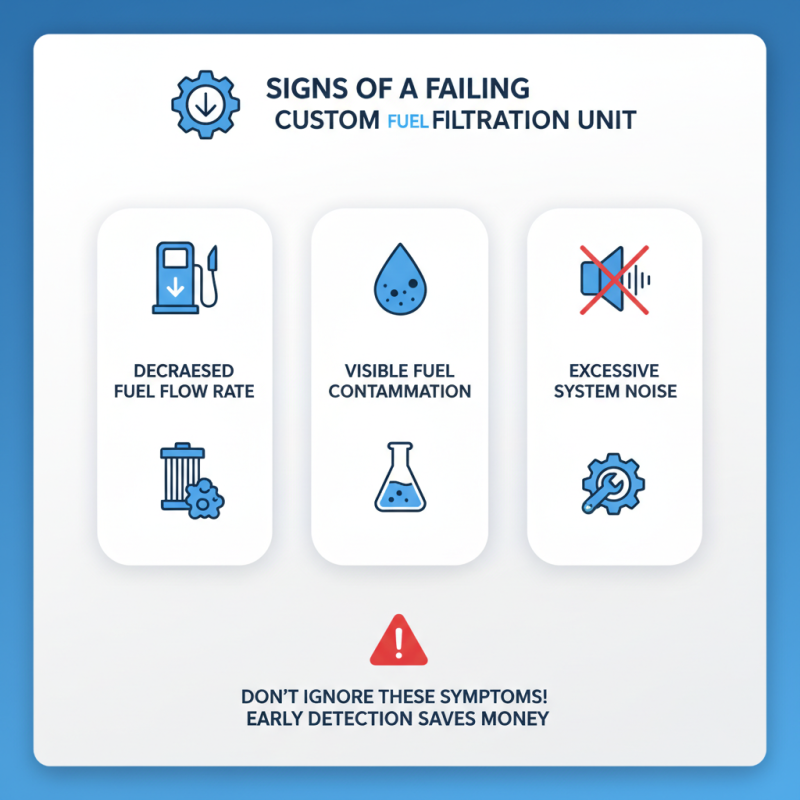
One common indicator is a decrease in fuel flow rate. If you notice an unusual drop, it might signal that the filters are clogged. Additionally, visible contamination in the fuel can point to a filtration failure. Excessive noise from the filtration system could also indicate mechanical issues. These signs should never be ignored.
Recognizing these symptoms early can save time and money. Neglecting them often leads to more significant problems. Addressing issues promptly is essential for optimal operation. Keep a close watch on these indicators to maintain performance.
Inconsistent fuel quality is a common issue that can severely affect the efficacy of custom fuel filtration units. One of the most noticeable signs of this problem is the presence of sediment in the fuel system. If you notice any visible particulates in the fuel, it often indicates contaminants are not being adequately filtered. This can lead to premature wear in engine components, increasing maintenance costs.
Another critical sign is a decrease in fuel pressure. If the filtration unit is struggling due to subpar fuel quality, it may fail to maintain optimal pressure. You might also experience sudden changes in engine performance, such as stalling or rough idling. These symptoms often suggest that the filtration system is unable to effectively remove impurities from the fuel, which can impair combustion efficiency.
Monitoring the condition of the filtration unit can help you catch these issues early. Regular inspections can reveal blockages or wear in the filtration media. If you notice a frequent need to replace filters, that might be a red flag. Poor filtration often highlights larger issues with fuel quality, emphasizing the importance of sourcing clean fuel. Adjusting your maintenance routine based on these observations can prevent more significant problems down the road.
In fuel filtration systems, monitoring pressure drops is essential for effective operations. An increase in pressure drop can indicate that your custom fuel filtration unit is failing. A 2021 report by the Society of Automotive Engineers highlighted that a pressure drop greater than 10 psi could lead to reduced filtration efficiency. This inefficiency can severely impact engine performance, causing additional wear over time.
When assessing your system, look for specific signs. Abnormal increases in pressure gauge readings signal potential blockages. If your filters require more frequent changes, this may also point to problems. A study from the American Filtration Society mentions that neglecting these issues can lead to costly repairs and downtime.
Regular maintenance is crucial for a custom fuel filtration unit. The frequency of maintenance impacts its effectiveness directly. A well-maintained unit filters contaminants effectively. However, neglecting maintenance can lead to reduced performance. Dirt and debris can accumulate, causing blockages. This can prevent optimal fuel flow and increase wear on the filtration components.
Monitoring your filtration unit's performance is essential. A sudden drop in flow rate often indicates an issue. Clogged filters might need replacement. You might notice odors or unusual noises as signs of trouble. Even small changes can hint at bigger problems. Ignoring these signs can lead to costly repairs or replacements.
Evaluating how often maintenance occurs can help mitigate risks. Regular checks can catch issues early. Each inspection brings a chance to assess the unit’s condition. Reflecting on past maintenance routines might reveal missed opportunities for improvement. Being proactive is key to ensuring long-term reliability.
Monitoring contaminant levels in fuel filtration units is crucial for ensuring optimal performance. Over time, filters accumulate dirt, water, and other particles. This accumulation can indicate potential failures if not regularly checked. A significant increase in contaminants may signal an impending breakdown.
Tips: Regularly inspect filter elements for discoloration or blockages. These visual cues can help you understand if your unit is failing.
Understanding the types of contaminants present also matters. Each contaminant type impacts the system differently. For instance, excessive water can cause rust, while dirt can clog fuel injectors. Failing to address these issues can lead to costly repairs and decreased efficiency.
Tips: Keep a log of contaminant levels. Recording changes over time can uncover trends that may lead to failures. This practice aids in timely interventions.
| Date | Contaminant Type | Contaminant Level (ppm) | Filter Condition | Action Required |
|---|---|---|---|---|
| 2023-01-15 | Water | 120 | Satisfactory | Monitor |
| 2023-03-02 | Particulate Matter | 250 | Needs Attention | Replace Filter |
| 2023-05-10 | Microbial Contaminants | 300 | Poor | Immediate Replacement |
| 2023-07-20 | Sediment | 80 | Satisfactory | Monitor |
| 2023-09-15 | Metal Fragments | 40 | Acceptable | Routine Check |
Variations in flow rate can significantly affect the performance of custom fuel filtration units. According to industry reports, a flow rate outside the optimal range can lead to contamination issues and filter failures. For instance, low flow rates may allow particulates to settle, while high flow rates can overwhelm filtration media, causing bypass. This situation not only risks engine performance but also can lead to costly repairs.
Fuel filtration failures are often gradual. Users might observe a decrease in efficiency or fluctuating pressure readings. Regular maintenance is key to identifying potential issues before they escalate. Monitoring flow rates closely can help in predicting when a filter may become ineffective. Filtering effectiveness is often stipulated by specifications, where failures might occur when flow rates exceed recommended thresholds.
Tip: Regularly check flow rates. Adjusting parameters based on performance data can improve filtration reliability.
Over time, neglecting to monitor these factors can result in higher fuel system risks. Users should keep an eye out for any abnormal patterns in filtration performance. This proactive approach can save time and money. Understanding how flow rate variations impact filtration systems is crucial for maintaining fuel quality and engine health.
: Look for sediment in the fuel system. Visible particulates suggest contaminants aren't adequately filtered.
A decrease in fuel pressure shows that the filtration unit struggles with poor fuel quality.
Sudden engine stalling or rough idling can indicate that impurities are not being effectively removed.
Conduct regular inspections to check for blockages or wear in the filtration media.
Constantly replacing filters might indicate underlying issues with fuel quality that need attention.
Low flow rates can settle particulates, while high rates can overwhelm media, causing potential failures.
Regular maintenance and monitoring can help identify potential filtration issues before they escalate.
It predicts when a filter may become ineffective, ultimately protecting your engine's performance.
Tailoring maintenance based on performance data can prevent larger problems with fuel quality.
Ignoring changes can increase fuel system risks and lead to costly repairs later on.
A custom fuel filtration unit plays a crucial role in ensuring fuel quality and system efficiency. However, identifying potential failures early can prevent significant issues. What are the signs of a failing custom fuel filtration unit? Key indicators include inconsistencies in fuel quality, which can compromise filtration efficacy, and noticeable increases in pressure drops within the filtration system. Regular maintenance frequency is vital, as infrequent servicing can lead to degraded filtration performance over time.
Additionally, an analysis of contaminant levels in filters indicates their ability to effectively remove impurities. Variations in flow rate can also signify impending failures, highlighting the need for careful monitoring. By being attentive to these signs, operators can maintain optimal performance of their fuel filtration systems and avert costly breakdowns.

Tolev Auto