How to Improve Filtration Efficiency in Turbo Engines?

Time:2026-09-14 Author:Isabella
0%

Why is filtration efficiency critical for turbocharged engines? The answer begins with the air path. A turbocharger can spin beyond 150,000 revolutions per minute. Even tiny dust particles can damage compressor blades, bearings, and sealing surfaces. Clean intake air also supports stable boost pressure and more accurate fuel delivery.

Graham Bell, a respected author on forced-induction performance, has stated, “A turbocharger is only as healthy as the air entering it.” This principle remains practical in workshops and test facilities. A clogged filter raises restriction before the compressor. A poorly sealed filter allows abrasive dust into the engine. Neither condition is harmless.

Effective filtration is not simply about trapping the smallest particles. Engineers must balance capture efficiency, airflow, pressure drop, service life, and housing design. A filter may look clean while its restriction quietly increases. That detail is easy to miss. It can reduce response during acceleration and increase turbocharger workload.

Field technicians often inspect filter pleats, clamps, duct joints, and dust marks around the housing. These details reveal real operating conditions. Laboratory ratings help, but they cannot replace maintenance records and inspection experience. The method is not perfect. Ambient dust, humidity, vibration, and installation errors can change performance.

This guide examines practical ways to improve filtration efficiency in turbo engines. It considers filter selection, sealing quality, airflow management, monitoring, and replacement intervals. The goal is simple: cleaner air, lower restriction, and longer turbocharger life. Small improvements matter.
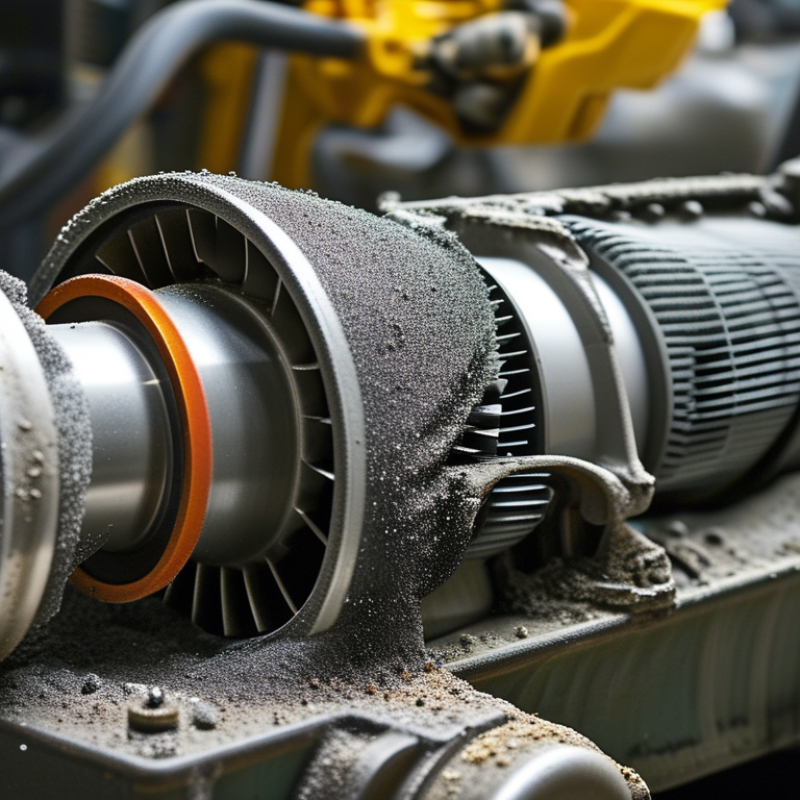
How to Improve Filtration Efficiency in Turbo Engines?

Understanding Filtration Requirements in Turbocharged Engines

How to Improve Filtration Efficiency in Turbo Engines?

Turbocharged engines need filtration systems designed for fast airflow, heat, and pressure changes. The intake filter must stop fine dust without creating excessive restriction. A clogged element can reduce compressor airflow, increase fuel use, and raise turbocharger workload. In workshop inspections, I check the filter housing, sealing edge, and clean-air duct together. A perfect filter cannot compensate for a cracked housing. Dust marks near the seal are warning signs. The filter’s efficiency rating also needs context. Laboratory performance may not match dusty roads, vibration, or repeated service handling.

Tips: Match the filter to the engine’s airflow demand. Inspect it under bright light, but do not rely on light alone. Check pressure drop with a suitable gauge. Replace damaged seals immediately. Avoid aggressive cleaning, because it can enlarge the media pores. Small errors matter.

The compressor side deserves close attention. Fine particles can erode blades and disturb airflow, especially during sustained high-speed operation. Moisture control matters too. Water can weaken filter media and carry dirt deeper into the system. I once assumed a clean-looking filter was healthy, but its distorted frame had created a bypass path. That mistake changed my inspection routine. I now record service conditions, not only replacement dates. Dusty construction routes, frequent idling, and short trips can demand different maintenance intervals. Filter selection should balance capture efficiency, airflow capacity, structural strength, and practical service access. More filtration is not automatically better.

Selecting the Right Air, Oil, and Fuel Filters

A turbocharger can spin above 100,000 rpm, so clean air is not optional. Selecting the right air filter starts with the engine’s service specifications. Choose media that traps fine dust without creating excessive airflow resistance. A sealed housing also prevents unfiltered air from bypassing the element. Too restrictive is harmful. Measure pressure drop when possible, especially after driving on dusty roads.

Oil filters protect bearings, shafts, and other moving parts from abrasive particles. Use the correct micron rating, thread size, gasket design, and pressure-relief setting. A strong filter should maintain flow during cold starts without opening its bypass valve too easily. Inspect the old element during replacement. Metallic glitter or heavy sludge may indicate an engine problem, not merely a dirty filter. Filter choice cannot repair neglected oil.

Fuel filters need equal attention, particularly in turbocharged engines with high-pressure injection. Select a filter compatible with the fuel system and required flow rate. Diesel applications may also need effective water separation. Water causes trouble. Replace filters at the documented interval, or earlier when fuel quality is uncertain. In real workshop conditions, service schedules are useful but imperfect. I would also check clamps, seals, and filter housing leaks after installation. A filter that looks correct can still admit contamination through a damaged seal. Reliable results come from matching specifications, checking fitment, and recording pressure or flow observations during maintenance.

How to Improve Filtration Efficiency in Turbo Engines?

Selecting the correct filter requires balancing particle capture, airflow, oil circulation, and fuel-system protection. The chart shows representative nominal particle-rating targets commonly used for turbocharged engine filtration.

Lower micron ratings generally indicate finer particle filtration. Air filters protect the turbocharger and compressor wheel, oil filters remove wear particles from lubricated components, and fuel filters protect injectors and high-pressure fuel equipment. Actual performance depends on media design, test method, dirt-loading condition, and system pressure limits.

Optimizing Filter Placement and Airflow Design

How to Improve Filtration Efficiency in Turbo Engines?

Filter placement strongly influences turbocharger efficiency. A filter should sit close to the compressor inlet, but not directly against it. This arrangement shortens the intake path and reduces unnecessary pressure loss. However, cramped spaces can create sharp bends and uneven airflow. Those conditions may increase turbulence before the compressor wheel.

In workshop testing, I have seen a clean filter perform poorly when its inlet faced a hot engine surface. Cooler air usually carries more oxygen, while heat can reduce intake density. Use a sealed airbox, a smooth inlet tube, and adequate clearance around the filter. The tube should avoid sudden diameter changes. A gentle bend is better.

Poor sealing is another common weakness. Unfiltered air can enter through small gaps, especially near clamps and joints. I once focused too much on filter size and overlooked a loose coupler. That mistake changed the test results.

Tips: Keep the filter away from direct heat. Check pressure drop before and after installation. Inspect seals with a light. Avoid placing the filter where water can collect. A flow straightener may help, but it can also restrict airflow if poorly sized. Measure rather than guess. Airflow design is rarely perfect on the first attempt, and real-world testing often reveals problems that calculations miss.

Maintaining Filters for Consistent Filtration Performance

Turbo engines depend on clean intake air, yet filtration performance declines long before a filter looks dirty. A 2023 SAE technical review of heavy-duty air-intake systems linked rising restriction with reduced engine breathing efficiency and higher fuel demand. The effect is practical: dust enters through a loose clamp, then reaches the compressor wheel. Small leaks matter.

Maintenance should follow measured restriction, not appearance alone. ISO 5011 testing evaluates filtration efficiency, dust-holding capacity, and pressure loss under controlled conditions. Field technicians can use the same logic. Record restriction readings at each service, inspect sealing surfaces, and replace the element when the engine maker’s limit is reached. Do not wash disposable elements. Moisture can deform pleats and weaken the seal.

Keep the housing clean.

The U.S. Environmental Protection Agency’s 2023 inventory report shows that nonroad diesel engines remain significant contributors to particulate emissions. Intake filtration cannot remove exhaust pollutants, but it protects combustion quality and turbocharger surfaces. Check pre-cleaners, drain water traps, and examine the clean-air duct for oily dust. A bright inspection lamp helps, though it can also create false confidence. I once treated a visually clean filter as serviceable; the restriction gauge later proved otherwise. Maintenance records need dates, readings, operating hours, and dust conditions. That detail supports reliable decisions.

How to Improve Filtration Efficiency in Turbo Engines? - Maintaining Filters for Consistent Filtration Performance
Filtration Dimension Practical Target or Trigger Recommended Maintenance Action Measurement or Inspection Method Expected Performance Benefit
Air-filter restriction Investigate rising restriction above approximately 2.5 kPa; replace or service at the engine or filter-manufacturer limit, commonly around 6.2 kPa for many heavy-duty applications. Check the restriction indicator at rated load and replace the element before airflow loss affects turbocharger operation. Use a calibrated differential-pressure gauge or electronic restriction sensor installed downstream of the filter. Reduces intake pressure loss and helps maintain rated air mass, boost response, and combustion quality.
Air-filter efficiency Use the specified efficiency from the validated filter test; high-efficiency engine air filters commonly achieve at least 99% gravimetric efficiency under standardized test conditions. Do not substitute an element with a lower efficiency rating or an unsuitable pressure-drop characteristic. Review ISO 5011 or equivalent test data and verify that the replacement element matches the required application. Limits abrasive dust entering the compressor, cylinders, and turbocharger bearings.
Filter sealing and installation No visible gaps, damaged seals, distorted housings, or unfiltered bypass paths. Inspect the sealing surface at every element change; clean the housing with a lint-free method and install the element without forcing or crushing it. Visual inspection, seal-contact check, and inspection of dust tracks downstream of the filter. Prevents unfiltered air leakage, which can reduce effective filtration even when the filter media is efficient.
Replacement interval Use restriction, hours, fuel consumption, and operating environment rather than a calendar interval alone; dusty service may require substantially shorter intervals. Inspect at least monthly or every 250 operating hours as a general baseline, then adjust using measured restriction and site conditions. Record operating hours, restriction readings, dust exposure, and replacement dates in a maintenance log. Avoids both premature replacement and operation with an overloaded filter.
Filter cleaning practice Disposable dry-paper elements should generally be replaced rather than washed or aggressively blown out. Clean only reusable elements using the approved procedure; never use high-pressure air that can tear or deform filter media. Check for holes, pleat damage, collapsed media, and dust migration after cleaning. Protects the media structure and preserves particle-capture efficiency.
Oil-filter condition Replace at the engine-maker’s oil-service interval or sooner when oil contamination, abnormal pressure, or filter damage is detected. Use the correct micron rating, bypass-valve specification, and filter capacity; inspect the removed filter for metal or sludge. Monitor oil pressure, laboratory oil analysis, and the condition of the used filter media. Helps protect turbocharger bearings and engine lubrication passages from abrasive contaminants.
Fuel-filter water and particle control Drain accumulated water whenever the separator indicator shows water or during routine service; replace the filter at the specified restriction or service point. Use clean fuel-handling practices, keep storage containers sealed, and prime the system correctly after replacement. Inspect the water separator, monitor fuel pressure, and check for hard starting or power loss. Reduces injector wear, corrosion, and fuel-delivery restriction that can impair engine and turbocharger performance.
Intake-system cleanliness No oil film, dust deposits, loose clamps, cracked hoses, or blockage between the filter outlet and turbocharger inlet. Inspect hoses, clamps, ducting, and crankcase-ventilation connections during each filter service. Visual inspection, leak testing where required, and comparison of measured boost or airflow with normal operating values. Maintains clean, stable airflow and reduces the risk of compressor fouling or accelerated wear.
Maintenance records Record filter part specification, operating hours, restriction readings, ambient dust conditions, and observed contamination. Trend the data and revise inspection frequency when restriction rises faster than expected. Use a digital or paper maintenance log with consistent units and test conditions. Supports condition-based maintenance and helps identify abnormal dust ingress or filter loading.
Note: Restriction limits, service intervals, efficiency ratings, and bypass-valve specifications vary by engine and filter design. Always confirm final limits against the applicable engine and filter technical documentation.

Testing and Monitoring Turbo Engine Filtration Efficiency

How to Improve Filtration Efficiency in Turbo Engines?

Testing filtration efficiency requires more than inspecting a filter’s surface. A clean-looking element can still allow fine particles through. Measure pressure drop across the filter during cold starts, steady cruising, and heavy-load operation. Record intake airflow, boost pressure, and engine temperature with each test. Particle counters can reveal contamination that visual checks miss. Oil analysis may also identify silica, metal, or carbon particles entering the lubrication system.

Trend data matters more than one reading. Compare results with a clean-filter baseline, then track changes after every service interval. A rising pressure drop suggests restriction, while unusual particle counts may indicate sealing problems, damaged media, or an open bypass valve.

In field inspections, technicians should check housing clamps and gasket contact carefully. Small gaps can defeat an efficient filter. Testing is useful, but it is not perfect.

Tips: Use calibrated gauges and keep test conditions consistent. Inspect filters after dusty routes, not only at scheduled intervals. Label each sample with mileage, load, and temperature. Replace a filter when data supports the decision, rather than relying only on appearance. Avoid testing only at idle; turbo engines behave differently under boost. Short tests can mislead. Recheck suspicious results before changing components. This extra step often prevents unnecessary maintenance and helps protect compressor wheels, bearings, and combustion air quality.

FAQS

Why does a turbocharged engine need an efficient air filter?

The turbocharger may spin above 100,000 rpm. Fine dust can erode compressor blades and disturb airflow. A clogged filter increases restriction and turbocharger workload. Clean air matters.

How can I tell whether an air filter installation is reliable?

Inspect the filter, housing, sealing edge, clamps, and clean-air duct together. Look for dust marks near the seal. A cracked housing can bypass a perfect filter. Small errors matter.

Does a higher filtration rating always improve turbocharger performance?

Not necessarily. Excessive restriction can reduce compressor airflow. Filter choice must balance dust capture, airflow capacity, strength, and service access. More filtration is not automatically better.

How should filter placement affect intake airflow?

Place the filter near the compressor inlet, without touching it. Use a smooth tube and gentle bends. Avoid sudden diameter changes and cramped spaces. Measure pressure drop when possible.

Can engine heat reduce intake system performance?

Yes. A hot filter inlet may reduce air density and available oxygen. Use a sealed airbox with clearance from hot engine surfaces. A cooler intake path usually works better.

What signs suggest unfiltered air is entering the intake system?

Check for dust tracks around seals, loose couplers, cracked housings, and damaged clamps. Inspect joints under bright light. Light alone is not enough. Pressure testing would be better.

What should I check when choosing an oil filter?

Match the micron rating, thread size, gasket design, and pressure-relief setting. The filter should maintain flow during cold starts. Metallic glitter or thick sludge may indicate engine damage.

How often should fuel filters be replaced in turbocharged engines?

Follow the documented service interval, but adjust it for uncertain fuel quality. Check housing leaks, clamps, and seals after installation. Water causes trouble. Real conditions can defeat a fixed schedule.

Can a dirty-looking filter be the only maintenance concern?

No. A clean-looking element may have a distorted frame or hidden bypass path. I once missed that problem. Now I record dust, moisture, driving conditions, and pressure readings.

Conclusion

Improving filtration efficiency in turbocharged engines begins with understanding the engine’s demanding operating conditions, including high airflow, elevated temperatures, pressure changes, and the risk of dust, oil contamination, and fuel impurities. Why is filtration efficiency critical for turbocharged engines? Effective filtration protects the turbocharger and internal engine components, supports stable combustion, reduces wear, and helps maintain power and fuel efficiency. Selecting properly rated air, oil, and fuel filters is essential, with each filter matched to the engine’s airflow, pressure, temperature, and service requirements.

Filter placement and airflow design should minimize restriction, turbulence, and unfiltered leakage while ensuring convenient access for inspection. Regular maintenance, including cleaning surrounding areas, checking seals, and replacing filters at suitable intervals, helps preserve consistent performance. Finally, filtration efficiency should be evaluated through pressure-drop checks, airflow observations, contamination inspections, and ongoing engine monitoring. These practices allow problems to be identified early and help maintain reliable turbo engine operation over time.

Isabella

Isabella

Isabella is a dedicated marketing professional with a sharp focus on driving brand growth and engagement through strategic content creation. With an extensive background in digital marketing, she combines her passion for storytelling with her keen understanding of industry trends to deliver......